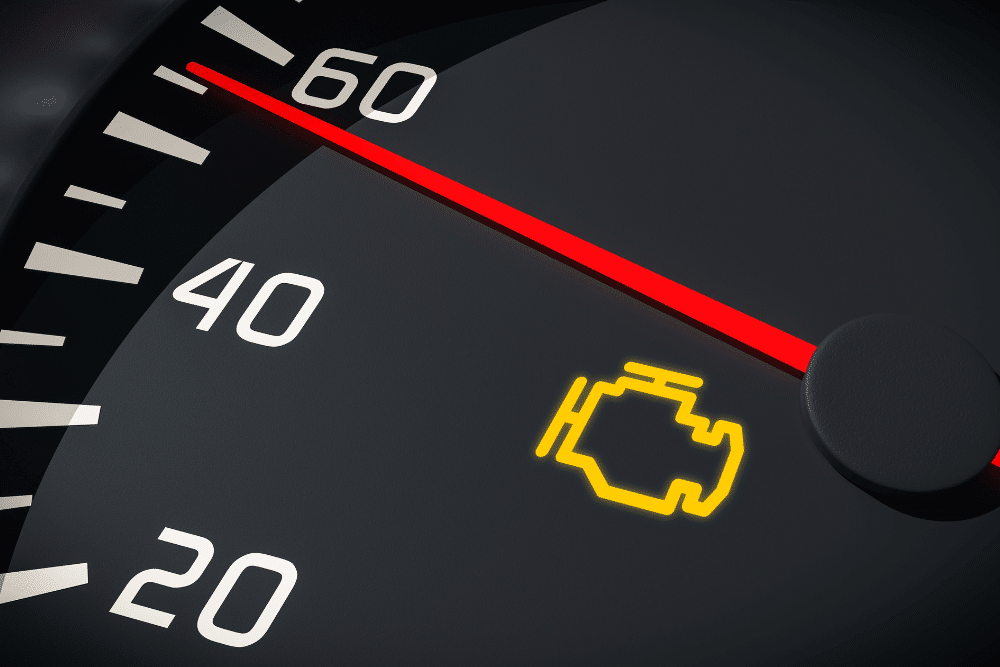
Morgan Hill drivers often ask the same question: “What does my check engine light mean?” The quick answer is that your car’s onboard diagnostics system has detected something unusual, from a loose gas cap to a serious engine problem. While some causes are minor, the light should never be ignored because it is your vehicle’s way of preventing bigger issues.
In this guide, we’ll explain why the check engine light matters and how to tell the difference between a steady and flashing warning. You’ll discover the most common reasons the light comes on, why delaying service can lead to costly repairs or a failed California smog check, and how the light offers clues about your driving habits. We’ll also show what the diagnostic process looks like at C&M Auto Service Inc. in Morgan Hill, CA, and how you can take action with confidence.
By the end, you’ll know what your check engine light is really telling you, how to respond quickly, and where to turn for accurate answers and trusted repair.
The Role of the Check Engine Light in Protecting Your Car
Your vehicle’s onboard diagnostics system (OBD-II) constantly monitors engine performance, emissions, and efficiency. The moment it detects something outside of normal operating conditions, it turns on the check engine light to alert you.
- A steady light usually signals a less urgent issue, such as a loose gas cap, a worn sensor, or a minor emissions fault. The car may still drive normally, but the problem should be checked soon before it creates added stress on other components.
- A flashing light is a sign of serious trouble. It often points to engine misfires, faulty ignition parts, or fuel delivery problems. Driving with a flashing light can overheat the catalytic converter, damage the engine, and lead to costly repairs if ignored.
Think of the check engine light as your car’s built-in safety net. It is your vehicle’s way of asking for help early, before a small concern grows into a major repair. Ignoring it will not make it disappear. It almost always makes the issue worse.
The Most Common Reasons Your Check Engine Light Comes On
There are many possible triggers, but these are the five issues Morgan Hill drivers see most often.
1. Loose or Damaged Gas Cap
A simple gas cap problem can set off the warning light. If it is not tightened properly or the seal is cracked, fuel vapors escape and affect the emissions system. This often happens after refueling. Retightening or replacing the cap usually clears the issue, though a diagnostic test can confirm if something else is involved.
2. Oxygen Sensor Failure
The oxygen sensor monitors exhaust gases to adjust the fuel-to-air mix. When it fails, you may notice lower fuel efficiency, a rough idle, or sluggish acceleration. A faulty sensor can also harm the catalytic converter. Replacing the sensor promptly avoids bigger repair costs.
3. Catalytic Converter Issues
The catalytic converter reduces harmful emissions, but it can fail if misfires or sensor problems are ignored. Signs include loss of power, a rotten-egg odor, or rattling from under the car. Since a failing converter will cause a smog check failure, addressing the root cause quickly is important.
4. Faulty Spark Plugs or Ignition Coils
Spark plugs and ignition coils keep your engine firing smoothly. When they wear out, you may feel rough running, hesitation, or see a flashing check engine light. Misfires from a weak spark can damage the catalytic converter, so replacement is often needed to restore performance.
5. Mass Airflow Sensor Problems
The mass airflow sensor measures how much air enters the engine. If it fails, the car may stall, run poorly, or burn more fuel. Cleaning or replacing the sensor, along with checking the air filter and intake, usually resolves the issue. A diagnostic scan confirms the exact cause.
Other Causes You Might Not Expect
Beyond the top five, several other issues can trigger your check engine light:
- EVAP System Leaks: Tiny leaks can cause big problems during smog testing.
- EGR Valve Problems: Affect emissions and engine smoothness.
- Vacuum Leaks: Lead to lean codes, rough idle, and stalling.
- Transmission Faults: Problems in one system can trigger warnings in another.
- Battery or Charging Issues: Weak electrical systems confuse sensors and modules.
- Hybrid/EV Warnings: High-voltage battery or cooling system alerts still show as a check engine light on many models.
Each of these requires diagnostic testing to pinpoint the true cause. That’s why a car diagnostic in Morgan Hill, CA, is the only reliable next step.
What Your Check Engine Light Reveals About Vehicle Health
Clues About Your Driving Habits
The check engine light does more than signal problems. It also gives insight into how your driving and maintenance habits affect your car.
- Frequent short trips: Can cause carbon buildup that triggers codes.
- Skipped oil changes: Lead to stressed sensors and reduced airflow.
- Aggressive driving: Wears ignition parts faster and raises the risk of misfires.
- Ignoring small hesitations: Often results in bigger, more expensive issues later.
By paying attention to these patterns, you can make small adjustments that improve reliability and reduce long-term repair costs.
The Risks of Ignoring It
Delaying service when the check engine light comes on can quickly turn a minor issue into a costly repair.
- A small sensor fault can escalate into catalytic converter failure.
- Persistent misfires may cause permanent engine damage.
- Any car with an active check engine light will fail a California smog check.
With repair costs rising, taking care of the problem early is the most effective way to protect your vehicle and your budget.
The Local Shop Morgan Hill Drivers Trust
A check engine light may look simple, but behind it lies a complex system of sensors and computers monitoring every part of your vehicle. When something is off, you need a shop that can read the data, uncover the cause, and provide reliable solutions. At C&M Auto Service in Morgan Hill, you get dealership-quality diagnostics combined with the personal care of a family-owned shop.
- Family-owned and operated since 1999
- ASE-certified technicians and AAA approved
- Full-service repair for gas, diesel, hybrid and EV vehicles
- 3-year/36,000-mile warranty on most repairs
- Advanced diagnostic technology to accurately identify check engine light codes
- Amenities like shuttle service, loaner cars, after-hours drop-off, and text-to-pay options
We believe in trust, honesty, quality, and love—the core values that guide every repair we do.
How Diagnostics Work at C&M Auto Service
When you bring your car to C&M Auto Service Inc., here’s what you can expect:
- Code Reading: We scan your system for trouble codes.
- Live Data Review: Our technicians look at fuel trims, sensor responses, and misfire counters.
- Hands-On Inspection: We verify wiring, hoses, and components to confirm the cause.
This process eliminates guesswork. You’ll know exactly what’s wrong, what it will take to fix it, and how urgent the repair really is.
Learn more about our Check Engine Light Diagnostics in Morgan Hill.
Transparent Communication Through a Digital Vehicle Inspection (DVI)
While our diagnostic process is focused on solving the specific issue you came in for, our Digital Vehicle Inspection (DVI) gives you the full picture of your car’s overall health.
We send you a DVI report that includes:
- Photos of your vehicle
- Technician notes
- Recommended services
- Priority levels (urgent, soon, or maintenance)
It’s all delivered straight to your phone, so you can make informed decisions—on your time.
FAQs About Check Engine Light Service
How do I tell what my check engine light means?
The only way to know what your check engine light means is by performing a diagnostic scan with an OBD-II tool. This scan reveals error codes that point to the specific system or part causing the problem. Because the same light can indicate dozens of issues, guessing is unreliable and may overlook serious repairs.
What is the most common reason the check engine light comes on?
The most common reason a check engine light comes on is a loose or damaged gas cap. When the cap isn’t sealing properly, fuel vapors escape and trigger an emissions fault. Other frequent causes include oxygen sensor failures, ignition misfires, and catalytic converter issues that require professional inspection.
Can I still drive if the check engine light is on?
You can usually keep driving if the check engine light is steady and the vehicle feels normal, but you should schedule service soon. If the light is flashing or the car runs roughly, it means a severe issue, such as an engine misfire, and driving further can cause costly damage.
What is the best thing to do when a check engine light comes on?
The best thing to do when a check engine light comes on is to schedule a diagnostic test as soon as possible. A technician can scan the codes, confirm the cause, and recommend the right repair. Acting quickly prevents minor issues from turning into expensive or unsafe problems on the road.
Book Your Check Engine Light Service in Morgan Hill, CA
The smartest move when your check engine light appears is to act early. At C&M Auto Service Inc., our team pairs cutting-edge diagnostic technology with decades of experience to find the real issue before it leads to bigger problems.
Visit us at 16169 Caputo Dr., Morgan Hill, CA 95037, call us at 408-778-8218, or request your appointment online. Your car is giving you a signal, and our experts are ready to turn it into clear answers you can trust.